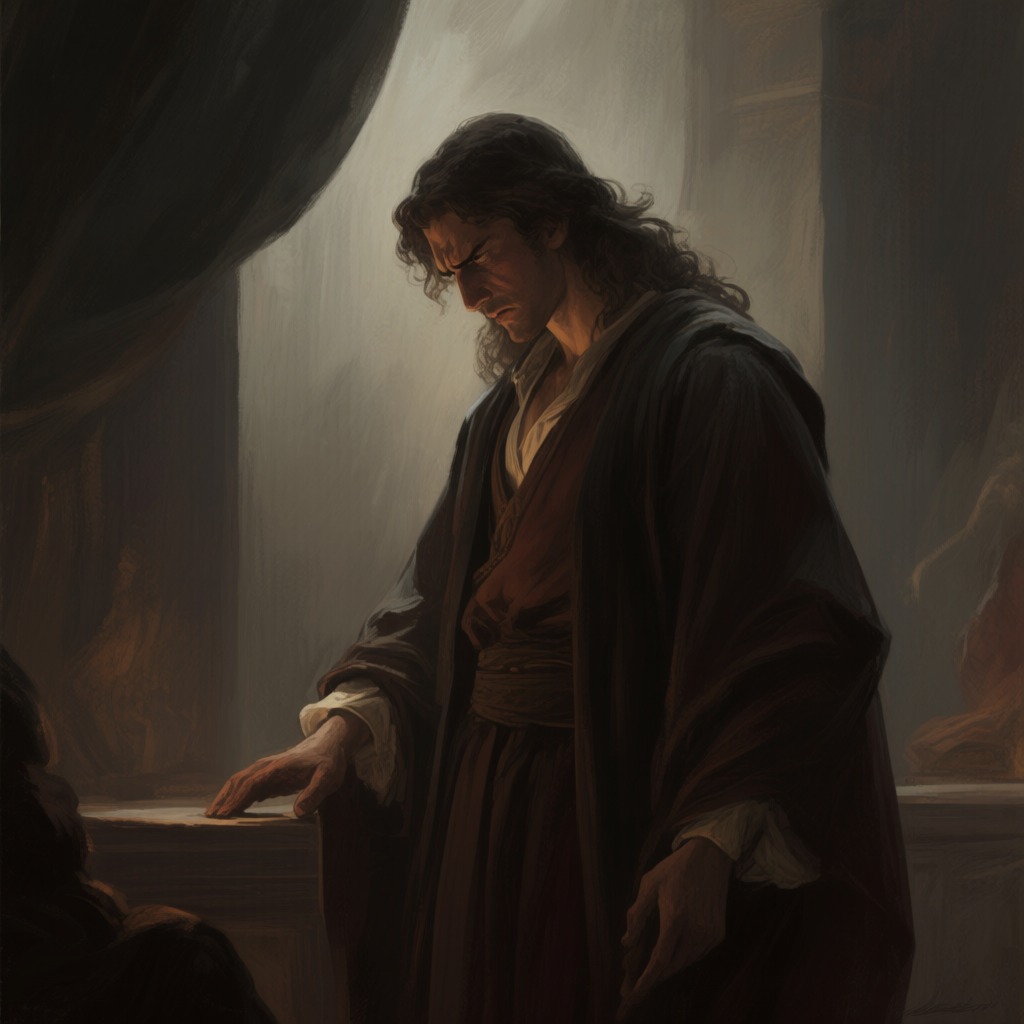
Fariba
Fariba, known to Laila as Mammy, is the mother of Laila and the wife of Hakim, a former teacher. Her life is irrevocably defined by the loss of her two eldest sons, Ahmad and Noor, who left to join the jihad against the Soviets and were killed. This grief transforms her from a once-vibrant and adventurous woman into a figure of profound, immobilizing sorrow, shaping the emotional landscape of her family and casting a long shadow over her daughter's life.
Identity and Background
Fariba and her husband Hakim were first cousins, both born and raised in the Panjshir valley. They moved to Kabul as hopeful newlyweds in 1960 when Hakim was admitted to Kabul University. Fariba was a spirited woman who, at sixteen, proposed to Hakim herself, a story she would later tell with pride. She was described by Hakim as having a laugh that "bulldozed you," and she was once the "liveliest, happiest person" he had ever met. Her identity was deeply rooted in her role as a mother, and her sons, Ahmad and Noor, were the center of her world.
Life and Plot Trajectory
Fariba's life trajectory is a steep decline following the death of her sons. After receiving the news of their martyrdom, she retreats into a state of chronic depression and physical illness. She spends most of her days in bed, wearing black, picking at her hair, and neglecting her household and her younger daughter, Laila. Her only consistent act is her five daily prayers, in which she begs God for victory for the Mujahideen. She becomes a curator of her sons' memory, turning their room into a shrine and their story into a legend that overshadows Laila's living presence. The near-death experience of Laila, when a bullet zips past her head, finally shakes Fariba from her stupor, leading her to agree to leave Kabul. However, this decision comes too late; a rocket strike kills both her and Hakim, leaving Laila orphaned.
Key Actions and Objectives
Fariba's primary action is the act of mourning. Her objective is to preserve the memory and honor of her martyred sons, Ahmad and Noor. She hoists their photograph at the Soviet withdrawal, declaring she will not rest until the Mujahideen hold a victory parade. She refuses to leave Afghanistan, seeing it as a betrayal of her sons' sacrifice. Her only other significant action is her eventual, reluctant agreement to flee Kabul after Laila is nearly killed, a decision born from a desperate, belated attempt to protect her remaining child.
Relationships and Conflict
Fariba's relationship with her daughter Laila is the central conflict of her later life. She is emotionally absent, leaving Laila to shoulder the household chores and care for her. Laila feels like a "mere visitor" to the museum of her brothers' lives, and that her future is no match for their past. Fariba's grief makes her unable to see Laila as a separate, living person with her own needs and hopes. Her relationship with her husband Hakim is also strained; she accuses him of having no convictions and of letting their sons go to war. She sees his bookishness as a weakness, and their marriage becomes a hollow arrangement, with Fariba sleeping in a separate room. The only relationship that sustains her is the imagined, idealized one with her dead sons.
Change and Ending
Fariba's character undergoes a single, crucial change. For years, she is paralyzed by grief, but the sight of a bullet hole in the gate, inches from where Laila's head had been, finally breaks through her despair. She agrees to leave Kabul, a decision that represents a shift from honoring the dead to protecting the living. This change, however, is immediately followed by her death. She is killed by a rocket that destroys her home, her body never recovered. Her final act is one of concession, but it is tragically cut short, leaving her story one of unfulfilled potential and devastating loss.
Narrative Role and Evaluation
Fariba serves as a powerful narrative foil to Laila and a cautionary figure about the consuming nature of grief. Her character illustrates how war's trauma can destroy not only its direct victims but also the family structures left behind. She is a source of deep pain and resentment for Laila, yet her story also evokes pity, as she is a woman destroyed by a loss that no parent should have to endure. Her eventual, fleeting decision to try to save Laila provides a moment of tragic redemption, but it is too late to alter the course of her own life or to fully repair the damage done to her daughter. Her legacy is the profound loneliness and burden she leaves for Laila to overcome.